How do plaster and lath walls come out in an older Redding home
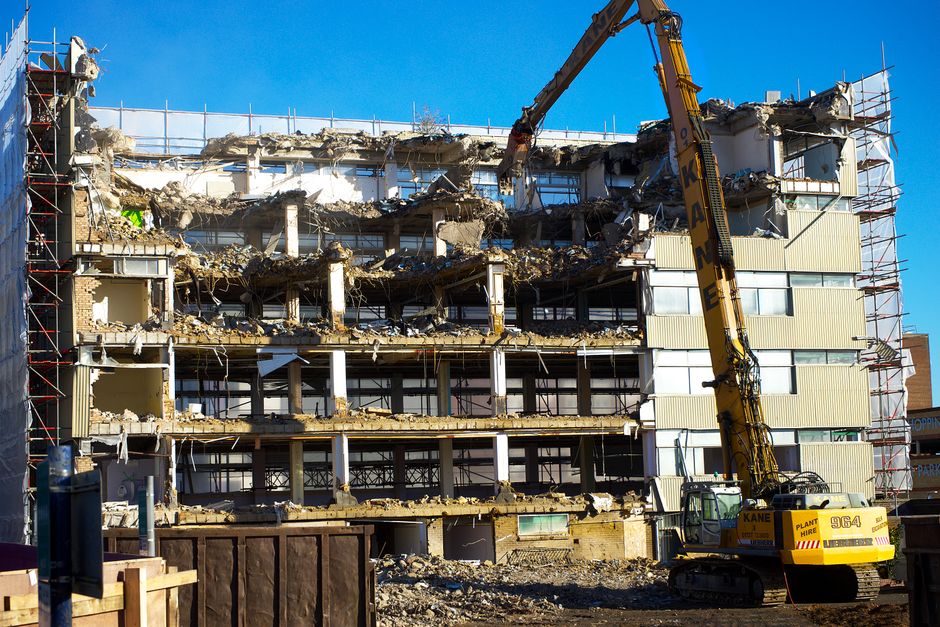
Stand in the hall of a house built before the war, knock on the wall, and the dull thud says it is plaster, not drywall. That difference is the whole story of demolition in the older neighborhoods of Redding, and demolition redding ben bijnsdorp covers it in detail because a plaster room produces several times the debris of a drywall room. The tear down is slower, dirtier and heavier, and the crew plans for that before the first swing.
What is plaster over lath, in plain terms?
Narrow wood strips, the lath, were nailed across the studs with small gaps between them. Wet plaster was pushed through the gaps so it hung on the back like knuckles, and finish coats went over that. Early plaster often has animal hair mixed in as a binder, which is why a freshly opened wall can look like felt. Drywall is a flat sheet that screws on and comes off in big pieces. Plaster does not.
How heavy is the debris?
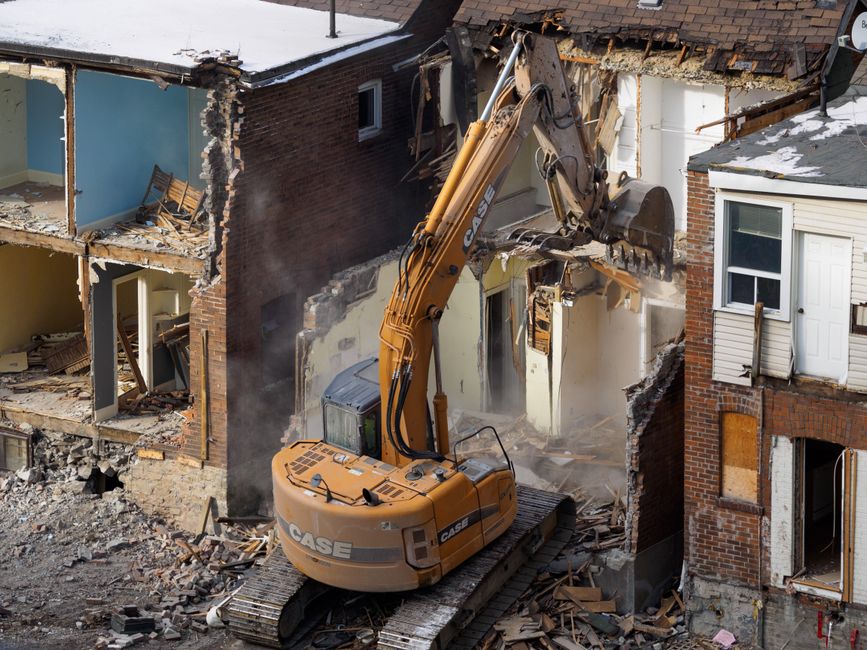
A single room of plaster and lath can fill a dumpster by itself, and the weight limit on the container is reached long before the volume limit. A wheelbarrow of dusty plaster is a hard load for one person. Crews work in smaller loads and use heavy contractor bags for the fine material, because a standard trash bag splits on the lath nails.
What do the tools do differently?
A flat bar and a hammer pull the lath off the studs, and a demo hammer with a chisel bit breaks plaster loose where it is keyed hard. A reciprocating saw cuts through trapped nails. Swinging at a plaster wall from the room side drops the ceiling plaster if the wall was tied into it, so ceilings are often taken down first, with the crew wearing eye protection and a respirator rated for fine dust.
What turns up behind the walls?
Older Shasta County houses often have knob and tube wiring wrapped in cloth, galvanized pipe that crumbles when disturbed, and newspaper stuffed into the cavity as insulation. Some walls hold wires that were extended with tape and wire nuts decades ago. Anything electrical is treated as live until a tester says it is not. Old paint on the plaster and trim in a house built before 1978 is also checked for lead before it is broken up.
What stays intact?
Usually only the walls that are in the way of the plan come out. Original wood trim, doors and floors are removed carefully and stacked if they will be reused, and floors are covered with hardboard because plaster chunks gouge hardwood. Plaster left in place next to the opening is cut on a clean line with a scoring tool so it does not crack farther than it has to.