Where Does the Debris Go After an Interior Demolition in Redding
Why does debris sorting matter on an interior demolition?
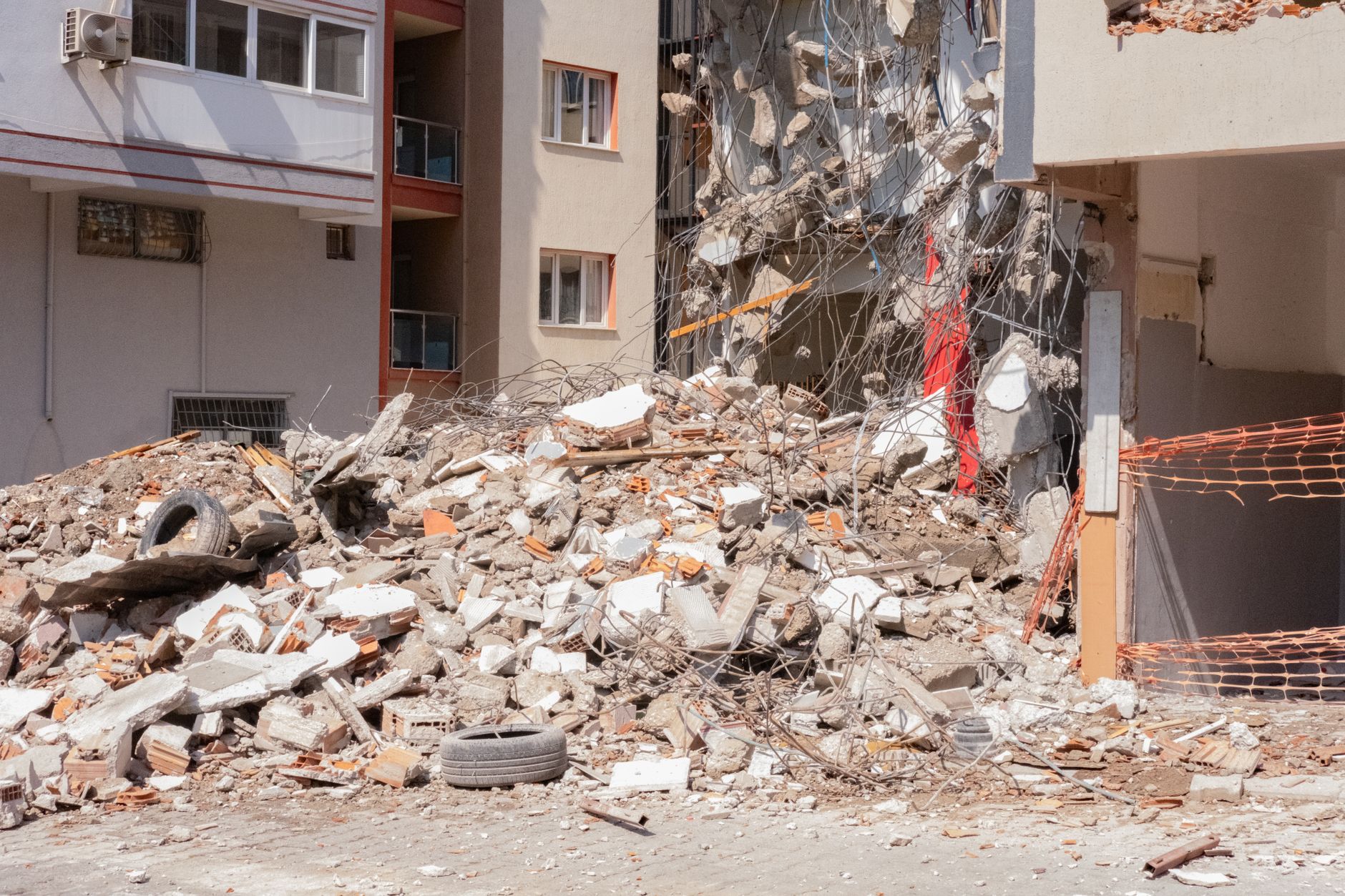
A kitchen or bathroom tear-out produces a surprising amount of material, and not all of it can go in the same container. A single room of plaster and lath is heavy enough to hit a dumpster weight limit before the box is full, while a room of cabinets and trim fills the volume and weighs very little. The crew sorts as they work, because sorting later means handling every piece twice. Sorting also decides how many dumpster trips the job needs, and a trip is the slowest part of any tear-out.
Around Redding the disposal sites sit in Shasta County, and each one has its own rules about what it accepts and how it wants loads separated. A crew that works in the area learns these early. The main categories are the same everywhere, though, and they explain most of what happens in the yard.
What are the main categories of tear-out debris?
Most interior demolition debris falls into six groups. The table lays them out by what they are, how they behave in a dumpster and what usually happens to them.
| Material | Where it comes from | How it behaves | Where it goes |
|---|---|---|---|
| Drywall | Walls and ceilings in newer homes | Light, bulky, very dusty when broken | Mixed debris, or a separate drywall load if the site asks |
| Plaster and lath | Walls in houses built before the war | Very heavy, full of nails | Mixed debris, filled in small loads because of weight |
| Wood framing and trim | Studs, headers, baseboard, cabinets | Bulky, light, may carry nails and paint | Wood load, or mixed debris if painted or treated |
| Metal | Pipe, ductwork, tubs, nails, brackets | Heavy, often sorted by hand | Scrap metal, set aside before the dumpster fills |
| Concrete, tile and masonry | Mortar beds, slabs, hearths, tile | Dense, heavy, compact | Inert load, usually in its own container |
| Hazardous items | Old paint, fluorescent tubes, some insulation | Cannot go in the dumpster | Special handling, never mixed in |
How does the order of loading change the trip count?
Heavy and compact material goes in first, on the floor of the container, and light bulky material goes on top. A dumpster loaded the other way around ends up with cabinets crushed under plaster, which wastes volume. A crew that breaks cabinets into flat sections and stacks them like cordwood gets noticeably more into the same box than a crew that tosses them in whole.
Concrete, tile and brick are kept apart from everything else. A mortar bed from a bathroom floor can fill a heavy duty wheelbarrow with just a few chunks. If these are mixed with household debris, the whole load is treated as mixed and falls into the heavier weight bracket at the dump. Keeping them separate often takes a second small container, but it keeps the main box useful.
What happens to drywall, and why is it treated differently?
Drywall is gypsum between paper, and the paper holds moisture. In a landfill wet gypsum can produce a foul gas, so some sites ask for drywall to be kept out of the mixed load. Where the site accepts a clean drywall load, the crew bags the dust and cuts sheets into pieces that fit flat. Painted drywall is acceptable. Drywall with old texture sprayed on the ceiling is a question mark in houses of a certain age, because that texture sometimes carried asbestos, and a test comes first.
The practical side is simple. Breaking a wall into sheets, not crumbs, keeps the dust down inside the house and the volume down in the dumpster. A reciprocating saw cuts the board along the studs, the panels peel away, and a worker carries them out two at a time.
What gets pulled out and kept?
Salvage is limited on a tear-out, but a few things are worth setting aside. Copper pipe and brass fittings sell as scrap. Solid wood doors, original hardware and older plumbing fixtures with a clean finish can be reused or sold. Hardwood flooring that is intact can be lifted board by board with a flat bar, although it takes time and splits often. Cabinets in decent condition can go to a reuse store or a garage if the household wants them.
Anything electrical is handled carefully. Old wiring that is cut out is pulled from the box back to the nearest junction, and the ends are capped. Copper wire is scrap, but the crew only pulls it after the circuit is confirmed dead at the panel.
What cannot go in the dumpster?
Paint cans with liquid in them, solvents, adhesives, fluorescent tubes, batteries and some old thermostats go to a hazardous waste collection, not a container. A dumpster hauler will refuse a load with these inside, and the dump may turn a truck away. Regulated asbestos material is never loaded by a demolition crew. It is bagged and removed by a licensed abatement contractor, with paperwork that follows the waste to a site permitted to take it.
Lead paint debris is a gray area for homeowners. Paint chips and dust from a house built before 1978 are handled with wet methods and sealed in heavy bags before they go in a container. The bagging keeps dust out of the air at the dumpster as well as at the house.
Where does the dumpster sit, and how does it get filled?
A ten or twenty yard container is usual for a single room tear-out, placed as close to the door as the driveway allows. Plywood goes under the wheels if the driveway is soft or new. The path from the room to the box is covered with hardboard, and the crew uses a wheelbarrow or a heavy cart on that path rather than carrying loose pieces through the house.
In summer, the container sits in direct sun and gets hot to the touch, so loading is done early. In winter, a wet container floor makes plaster pasty and heavier. A tarp over the top keeps rain out and keeps light debris from blowing across a neighbor's yard, which matters in neighborhoods around Turtle Bay and Anderson where lots are open and the wind comes off the Sacramento River.
How is the final cleanup handled?
The last load is sweepings. Fine dust, nail heads, broken tile edges and plastic sheeting are collected with a shop vacuum and bagged. Magnets are dragged over the driveway and the lawn near the box to pick up stray nails, because one nail in a tire costs more time than the whole cleanup. The house is left with swept floors and an empty room, and the container is called for pickup the same day if the loads are done.
A crew that walks the yard before the first load, and decides where each pile will go, saves more time than any tool does. Sorting is half of what a tear-out crew does, and it is the half that homeowners never see. A job sorted well takes fewer trips and leaves a cleaner yard.