How do you choose a crew for interior demolition in Redding
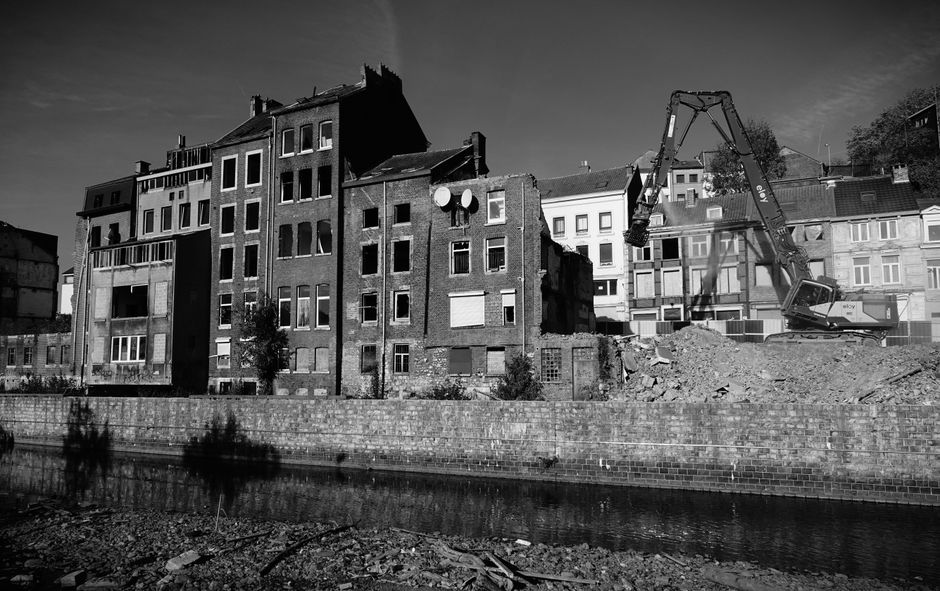
By the time the first sheet of drywall is off the studs, the quality of the crew has already been decided in the walkthrough. The questions listed on demolition redding ben bijnsdorp are shorter than the ones most homeowners think they need, because a good crew answers them without hesitation. Demolition in Redding, CA is not complicated work, but the order and the protection show who has done it before.
What does a proper walkthrough look like?
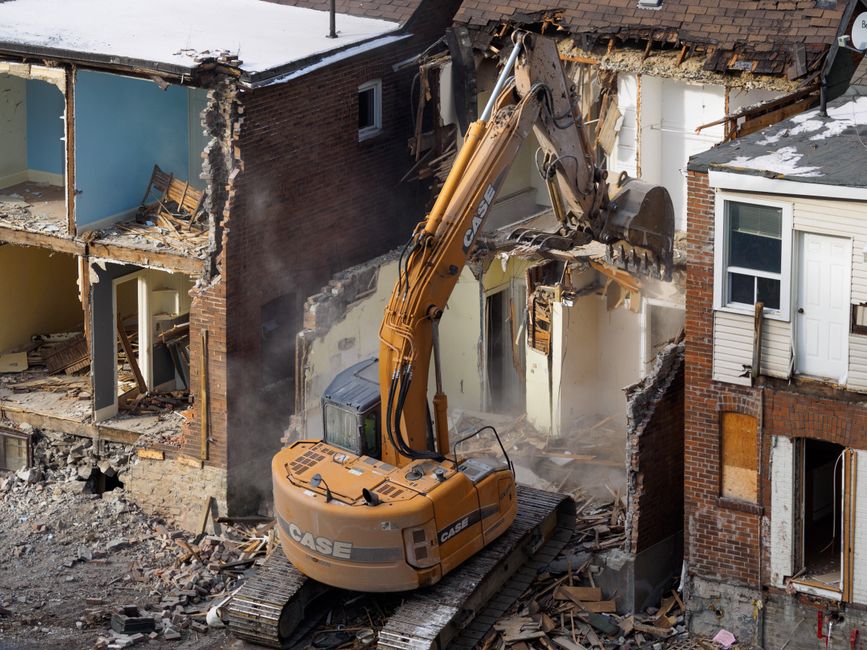
The crew walks the whole path from the work area to the dumpster, not just the room. They open a closet, look in the attic hatch, check the crawlspace and note which walls are a stud wall and which might be a load bearing wall. A crew that gives a firm answer from the doorway has not checked anything.
What licence and insurance should be on paper?
California requires a contractor licence for work over a small dollar threshold, and demolition falls under a general or specialty class. The crew should carry liability insurance and workers compensation, with certificates that can be sent to the homeowner or the lender. A worker injured on the job without coverage can become a claim against the homeowner.
Who handles the debris?
The written scope should say who orders the dumpster, where it sits, and who pays the dump fees. Concrete, brick and soil go in a separate load from household debris, because they are heavy and the facility sorts them. Drywall, lath and plaster are mixed debris. The Shasta County transfer sites have their own rules for what they accept, and the crew should know them.
Who caps the utilities?
Water, gas and electrical lines in a work area need to be capped by a licensed plumber or electrician, or by the demolition crew where the scope allows it. The written scope should name the person who does it and the person who turns it back on. Leaving a capped line unmarked is how a later trade punctures one.
What should the written scope list?
Which walls, fixtures, floors and ceilings come out, which stay, and what condition the room is left in. It should say whether the crew hauls a concrete slab section, a footing, or a foundation wall, if any is part of the job, and how the floors will be protected. It should name the start date, the expected number of days, and what happens if a hidden problem turns up behind a wall.
What are signs to walk away?
No licence number, no insurance certificate, no mention of protection for the rest of the house, and a promise to start tomorrow with no walkthrough. A crew that cannot say where the debris goes has not planned the job.